Water Damage Restoration Plymouth, MA
24/7 water damage restoration in Plymouth, MA. The restoration team extracts standing water, dries the structure to the IICRC S500 standard and documents every step for your insurance claim.
(888) 480-6221Water coming in? Call Plymouth dispatch.ZIP 02360, 02361, 02362 and Manomet 02345, plus Kingston, Duxbury and Carver.
What to do while the water is still moving
- 01
Close the main valve
In most Plymouth homes the main sits where the pipe comes through the basement wall, or in a utility closet on slab homes.
- 02
Cut power to wet rooms
Switch off those circuits only if the panel is dry and you can reach it without standing in water.
- 03
Photograph everything
Take wide shots and close-ups of every wet room before anything is moved or thrown out.
- 04
Lift what you can
Move rugs, electronics and papers up and out, and set aluminum foil under furniture legs.
- 05
Skip the shop vac on sewage
Stay out of water from a drain, toilet, septic or the street. It is Category 3 from the start.
Water Damage Restoration Services in Plymouth, MA
Fourteen kinds of water loss, each handled the way its source demands. Nor'easters, ice dams on Cape roofs and cold snaps decide which ones show up most around Plymouth Bay.
Water Extraction and Removal
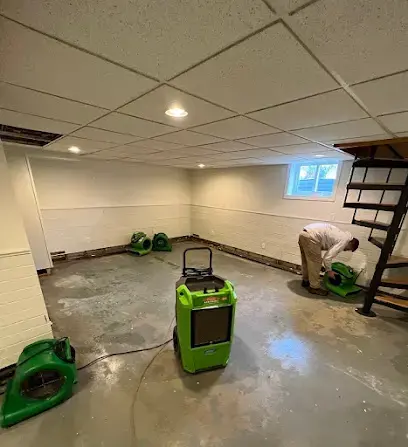
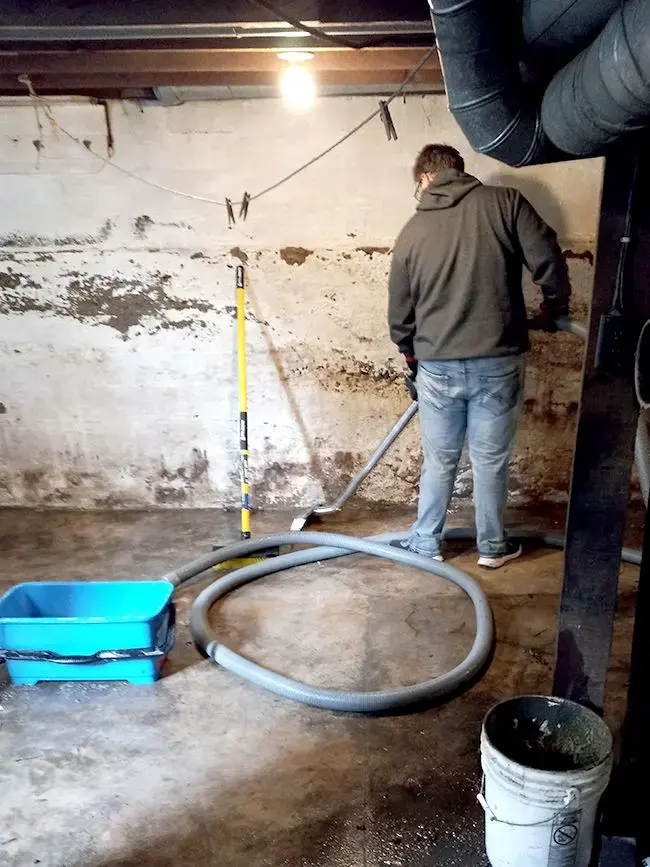
Standing water pulled out with truck-mounted extraction before it soaks into the subfloor and the level below.
Service details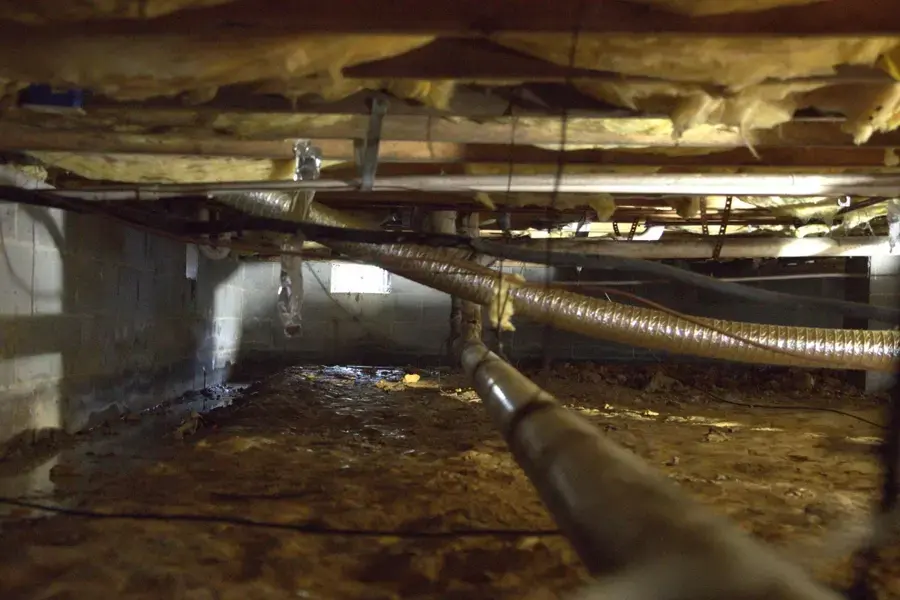
Frozen Pipe Cleanup
Pipes that split in crawl spaces, outside walls and closed-up cottages, traced with thermal imaging and dried.
Service details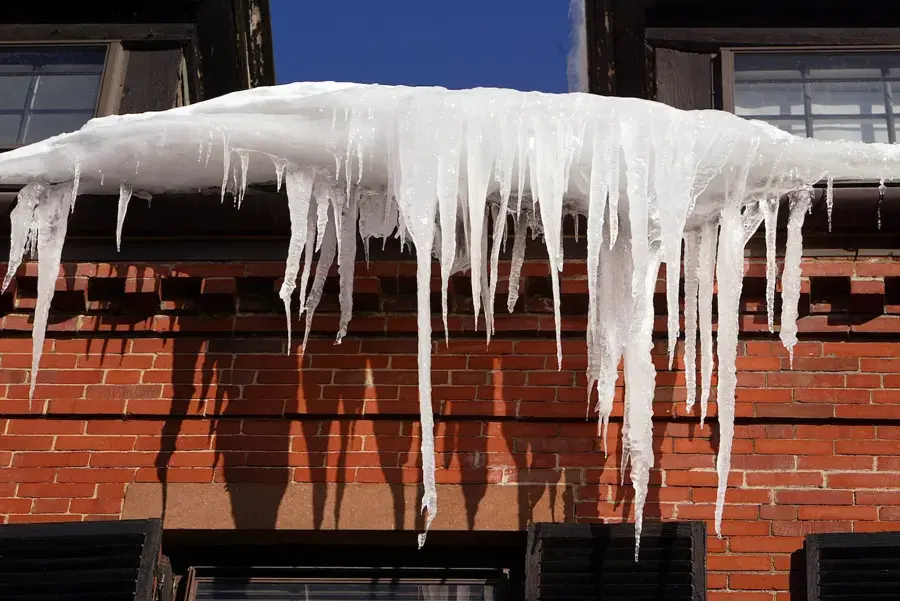
Ice Dam Water Damage
Meltwater that backs up under Cape roof shingles into kneewalls, window heads and outside-wall ceilings.
Service details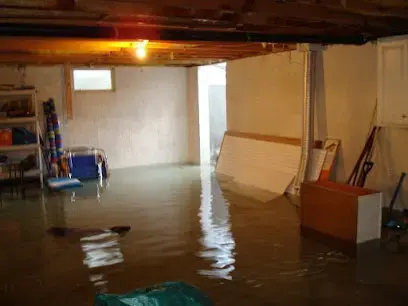
Basement Flooding Cleanup
Fieldstone and block basements dried after groundwater, a failed pipe or a storm floods the lowest floor.
Service details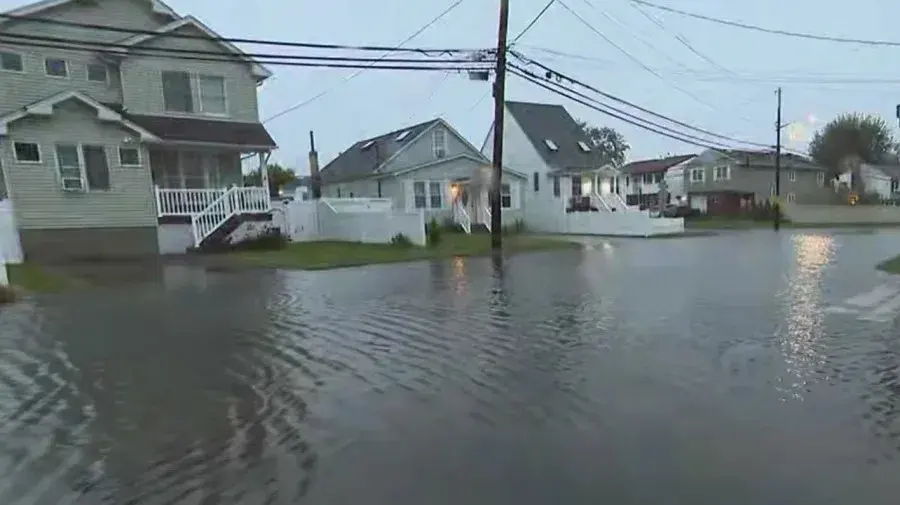
Nor'easter and Coastal Flood Cleanup
Surge and rising water from a nor'easter treated as Category 3 water, with porous materials removed.
Service details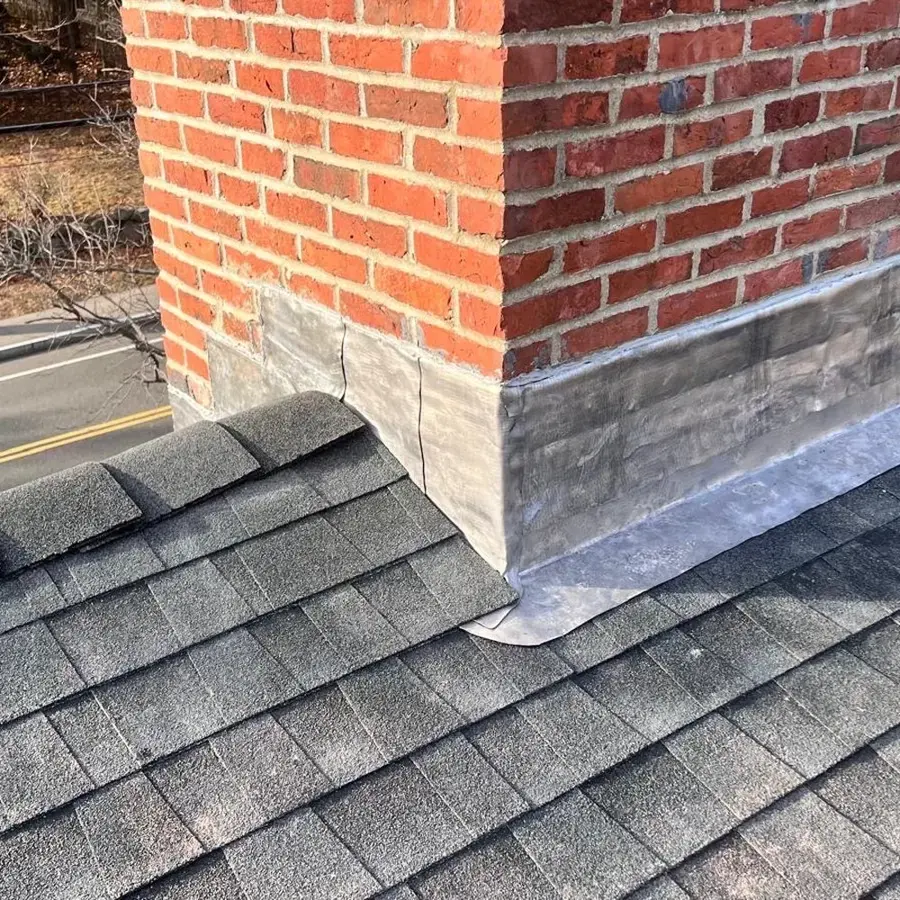
Roof Leak Water Damage
Wind-driven rain through flashing, chimneys and shingles, with wet attic insulation pulled and ceilings dried.
Service details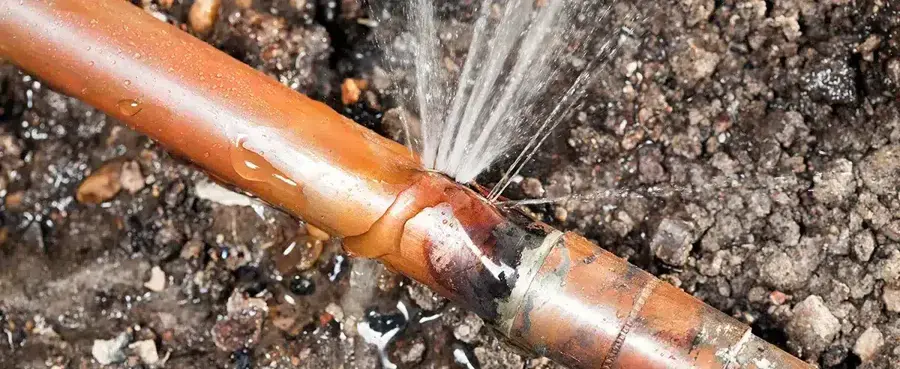
Burst Pipe Water Damage
Corroded galvanized pipe, failed fittings and pressure breaks extracted and the wall cavities dried.
Service details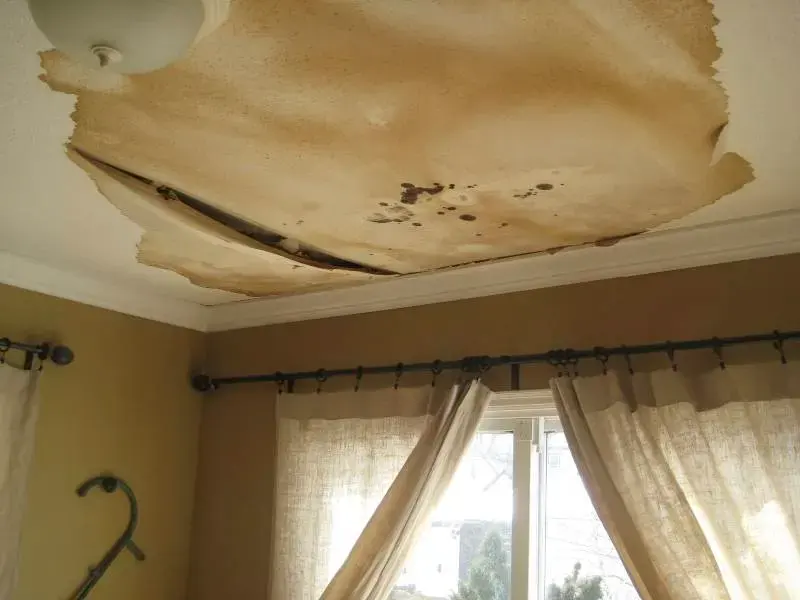
Ceiling Leak Water Damage
Upstairs tub, toilet and shower leaks traced, sagging drywall opened safely and joist bays dried.
Service details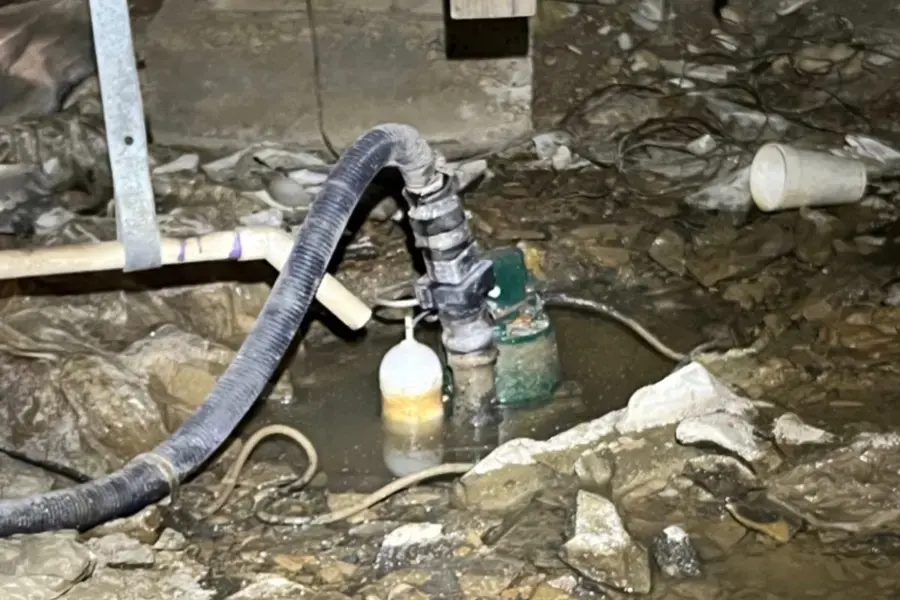
Sump Pump Failure Cleanup
Pits that overflow when the water table rises near the ponds or the power drops in a storm.
Service details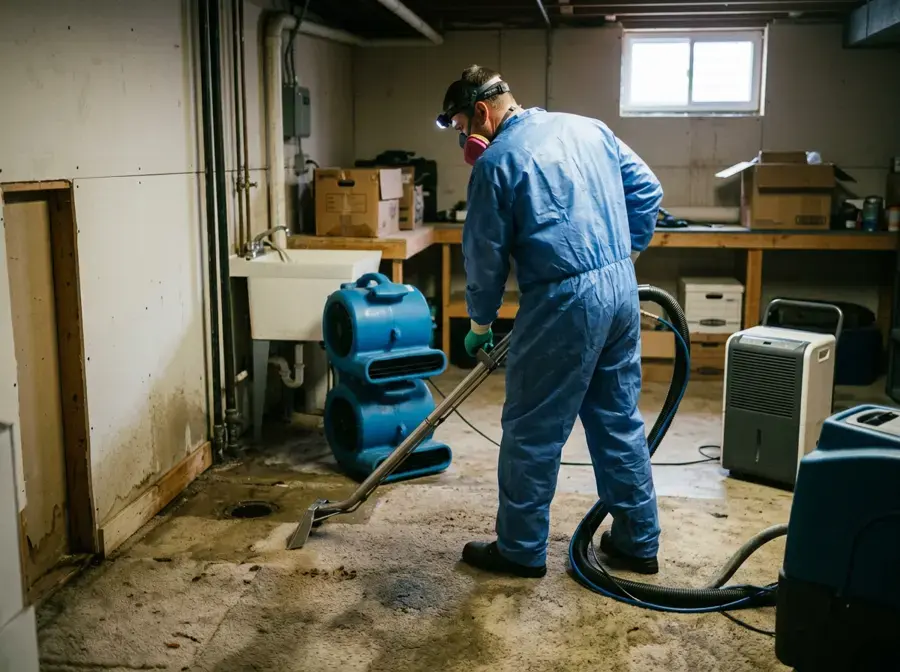
Sewage and Septic Backup Cleanup
Septic and town sewer backups contained, porous materials removed and surfaces treated with antimicrobial.
Service details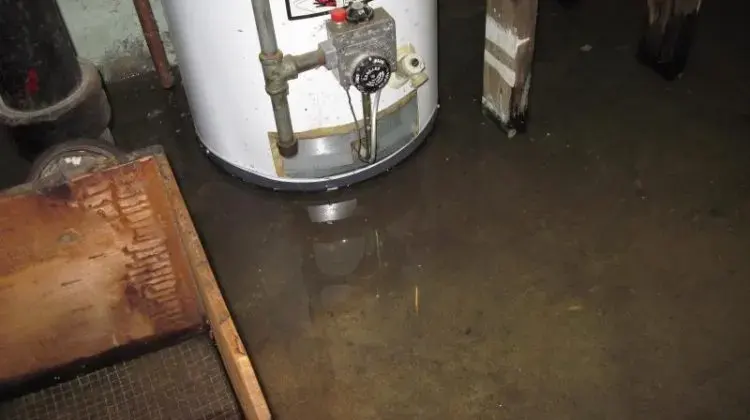
Water Heater Leak Cleanup
Tank failures in basements and utility closets extracted, with floors and wall bottoms dried.
Service details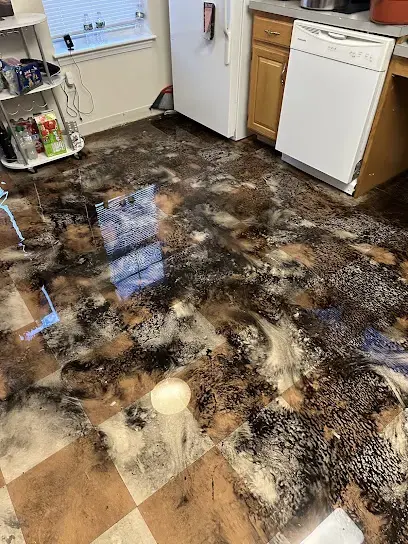
Appliance Leak Water Damage
Washer, dishwasher, refrigerator and AC condensate leaks dried under cabinets and flooring.
Service details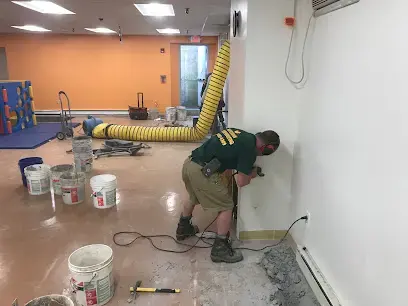
Structural Drying and Dehumidification
Framing, subfloor, plaster and pine floors dried to within 2 to 4 points of a dry reference.
Service details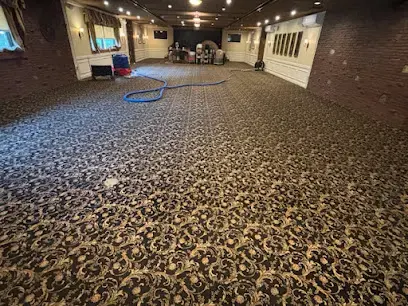
Commercial Water Damage
Shops, restaurants, offices and condo buildings dried in phases so the doors can stay open.
Service detailsAll water damage categories covered in Plymouth, MA
Clean water
Supply pipes, freeze breaks, ice dam melt and water heaters. Caught early, most materials dry in place.
Frozen pipe cleanupGray water
Washers, dishwashers and sump overflows. Pad usually comes out and surfaces get an antimicrobial.
Appliance leak water damageBlack water
Sewage, septic backups and coastal floodwater. Porous materials it touched are removed, not dried.
Sewage and septic backup cleanupWater damage dried to the IICRC S500 standard
Damp coastal air works against a dry-out, so fans alone rarely finish the job. What separates a finished dry-out from a cosmetic one is the order of the work and the readings behind it.
- 1
Moisture mapping first
The tech who does the walkthrough maps wet materials with pinless meters and thermal imaging before any equipment goes down.
- 2
Extraction
The extraction crew pulls standing water with truck-mounted or portable units, because removing water is far faster than evaporating it.
- 3
Drying set to the room
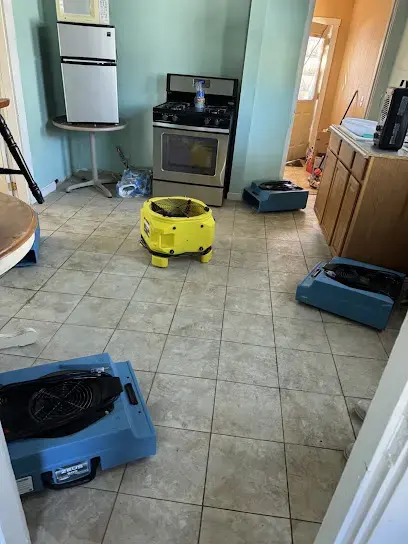
The drying team sets air movers to the evaporation load and LGR dehumidifiers to the class of loss, with desiccants for dense materials.
- 4
Dry by the numbers
Equipment stays until every material reads within 2 to 4 points of a dry reference, logged each day for the claim file.
How the Plymouth restoration crew handles a water loss
Water in a Plymouth home rarely stays in one room. It runs under baseboards, down through a kneewall into the ceiling below and into a fieldstone basement that was damp to begin with. The local restoration pros trace the whole path before deciding what dries in place and what comes out.
Rapid local response
The response team dispatches around the clock, and active water in Plymouth is treated as urgent at any hour.
IICRC S500 drying standard
Structural drying, not just surface drying, with equipment sized to the class of loss.
Claim-ready documentation
Moisture maps, daily psychrometric logs and timestamped photos taken before any demolition.
Local water know-how
Cape roofs, pond-side basements, septic systems and old colonial plumbing each fail in their own way.
What does water damage restoration cost in Plymouth, MA?
In Plymouth, MA, water damage restoration typically runs $1,200 to $30,000, with most clean-water leaks at the low end and coastal flooding or sewage at the high end. The water category, square footage, material class and how fast drying started set the number.
Small clean-water leak
$1,200 to $4,000- One or two rooms
- Extraction and drying in place
- Daily moisture readings
Multi-room or basement loss
$4,000 to $12,000- Flood cuts and cavity drying
- LGR dehumidifiers
- Claim documentation
Floodwater, sewage or septic
$10,000 to $30,000- Porous materials removed
- Containment and HEPA air
- EPA-registered antimicrobial
These are typical ranges, not quotes. Try the Plymouth water damage cost calculator or the drying time estimator for a closer look at your own loss.
Documentation for your insurance claim
A water claim is decided on the file, not on the phone call. A complete Plymouth claim file carries the following.
- The moisture map from the first visit, showing every wet material
- Daily psychrometric logs: temperature, humidity and grains per pound in each room
- Timestamped photos taken before any demolition
- The water category and class of loss, with the reason for each
- A line-item scope in the Xactimate-style format adjusters work from
Check your own policy
Sudden and accidental discharge, a frozen pipe that splits for example, is treated differently from rising coastal water, which falls under flood coverage. Sewage and septic backups often need a separate endorsement.
Coverage depends on your policy, so check with your own insurer before work beyond emergency drying begins.
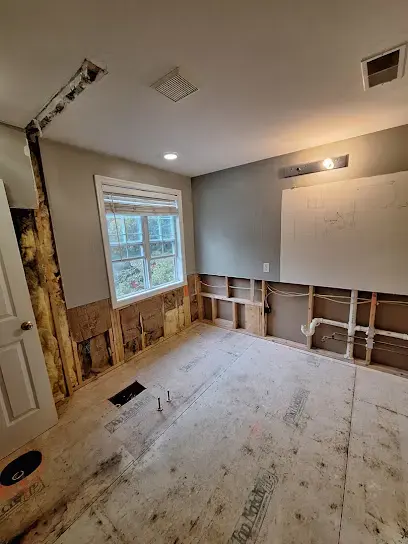
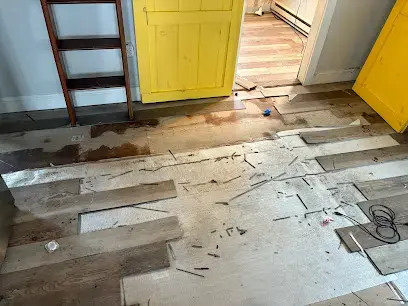
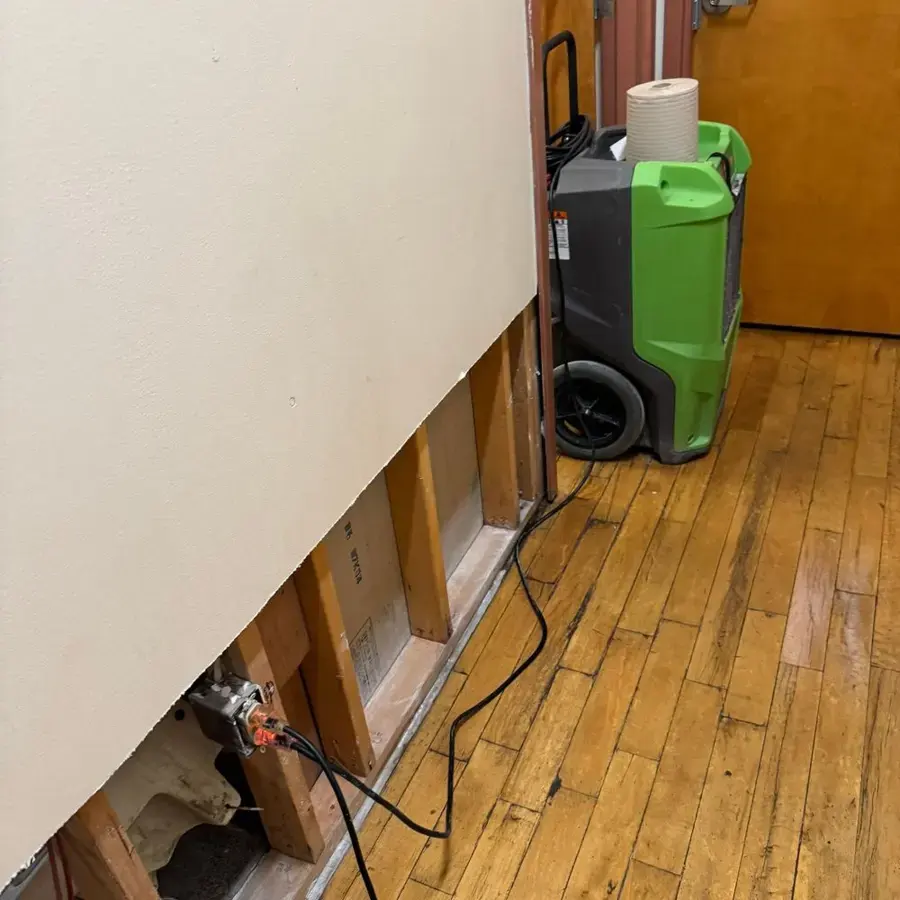
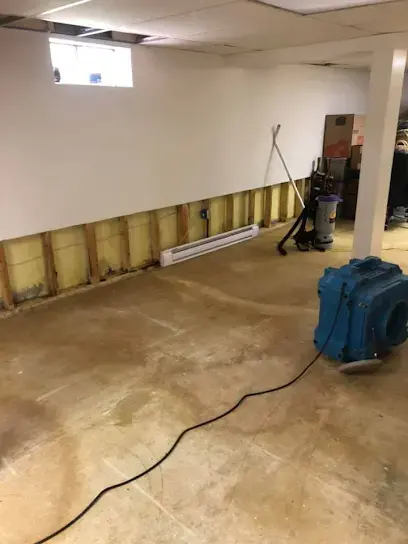
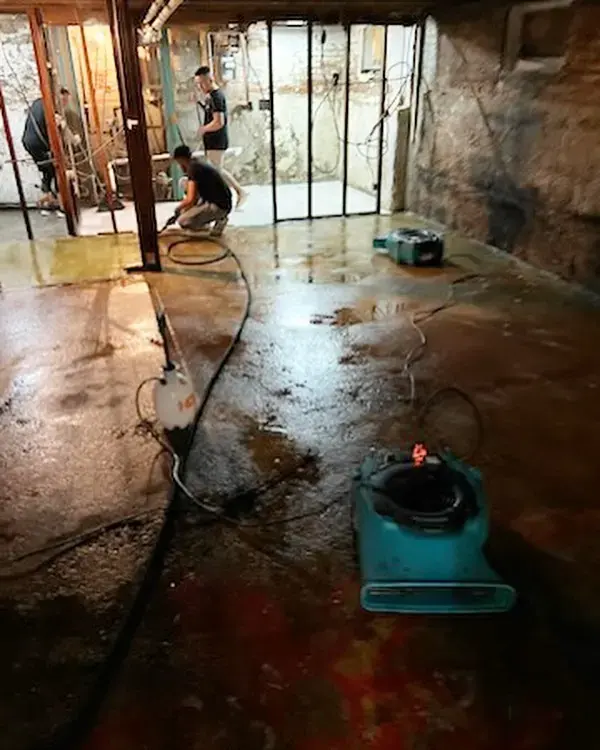
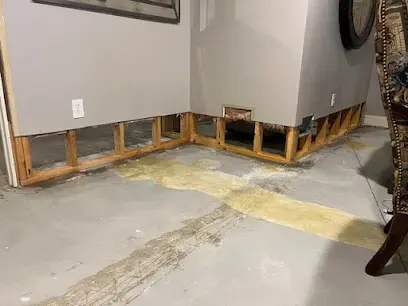
What a water damage dry-out looks like in Plymouth
Water damage restoration across Plymouth and the bay towns
Plymouth villages and neighborhoods
ZIP codes
Nearby places
One call reaches Plymouth water damage pros, 24/7
Plymouth water damage pros dispatch around the clock for frozen and burst pipes, ice dam leaks, basement flooding, nor'easter damage and sewage backups across Plymouth County.
Have the source of the water, the rooms affected and whether the main is off ready, and the response team can plan the first visit.
Water damage in Plymouth, MA: the local risk profile
Plymouth covers more ground than any other town in Massachusetts, from the harbor and Town Brook to Manomet, the pine barrens and hundreds of kettle ponds. Its homes run from colonial houses on fieldstone to 1970s Capes and pond-side cottages, and its water problems follow the coast and the cold.

A run of nor'easters, starting with the March 2 storm, pushed surge and waves onto the Plymouth shore, battered Plymouth Long Beach and Manomet and cut power across the South Shore.
- Nor'easter rain and surge: Wind-driven rain gets in around chimneys, windows and siding, and surge floods the low streets near the harbor and beaches.
- Ice dams on Capes: Low roofs over kneewall attics trap heat, so meltwater backs up under the shingles and into outside walls.
- Cold snaps and closed cottages: Pipes in crawl spaces, outside walls and seasonal homes split in deep cold, as they did in the February 2023 Arctic blast.
- High groundwater: Homes near the kettle ponds and cranberry bogs see sump pits fill fast during the spring thaw and long rains.
- Septic and old drains: Much of town runs on private septic, and a saturated leach field or old cast iron pipe pushes sewage back into the lowest drain.
Plymouth water damage questions, answered
What should I do in the first hour after finding water?
Shut off the water at the main valve or the fixture, turn off power to wet rooms if the panel is dry, photograph the damage and move valuables up. Then call so extraction can start before the water spreads.
How fast does someone respond in Plymouth?
Dispatch runs 24/7, and active water is treated as urgent at any hour, including nights, weekends and storm days. Arrival depends on the weather and the roads, so have the main off before the crew gets there.
Why do ice dams cause leaks inside the house?
Heat from the house melts snow on the upper roof, and the water refreezes at the cold eaves. The next melt pools behind that ice, slips under the shingles and soaks the top of outside walls and kneewall spaces. The ice dam water damage page covers the drying.
How long does drying take?
A contained Class 1 loss usually dries in three to five days. Basements, wide pine floors, plaster and fieldstone take longer. Equipment stays until the readings say dry.
What is the IICRC S500 standard?
It is the industry standard for water damage restoration. It sets how water is categorized, how drying equipment is sized and what dry actually means: materials within 2 to 4 points of a dry reference.
When does drywall have to come out?
Drywall touched by Category 3 water comes out. Drywall wet with clean water can often be dried in place if drying starts early. Swelling, sagging or wet insulation behind it usually means a flood cut.
Why is a septic or sewage backup handled differently?
It is Category 3 water from the first minute, carrying bacteria. The crew works in protective gear, removes porous materials it touched and treats surfaces with an EPA-registered antimicrobial. See sewage and septic backup cleanup.
Does homeowners insurance cover water damage in Plymouth?
Sudden and accidental water, like a burst pipe, is often covered. Rising coastal water usually falls under flood insurance, and sewage backup often needs an endorsement. Coverage depends on your policy, so check with your own insurer.
What is the difference between mitigation and repair?
Mitigation stops the damage: extraction, removal of ruined materials and drying. Repair rebuilds what was removed. Insurers expect mitigation to start quickly, so drying comes first.
How is the cost figured?
The scope comes from the moisture map: water category, square footage, the class of loss, the equipment needed and the days it runs. The cost calculator shows typical Plymouth ranges.
Water in your home right now?
Shut off the main if it is safe, then call. The Plymouth restoration crew takes it from there.
Water damage in Plymouth? Start the dry-out now.
Every hour water sits, more drywall, pad and subfloor has to come out. The extraction crew pulls the water, and the drying team dries the structure to the IICRC S500 standard, 24/7.
(888) 480-6221Start the Plymouth dry-out tonight- Dispatch around the clock, storm nights included
- Drying held to the IICRC S500 standard
- Daily moisture logs for the claim file
- Find us on Google